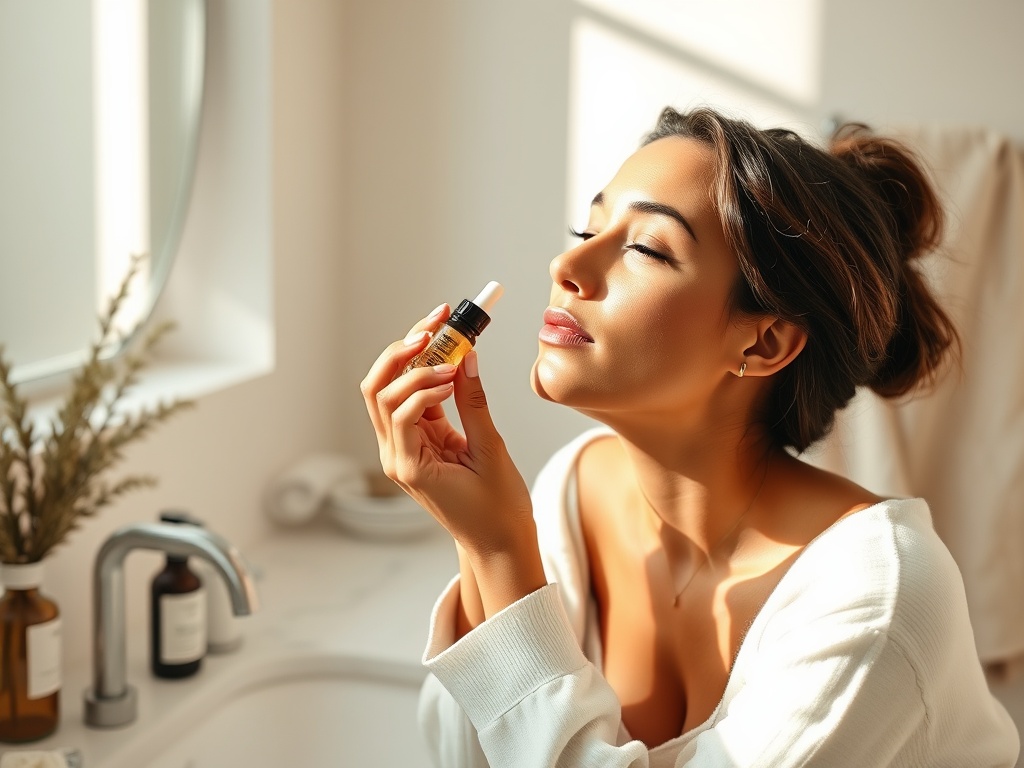
A Beginner's Framework for Clean Skincare
The word "clean" in skincare means different things depending on who's using it. Some brands use it to signal natural ingredients. Others use it to mean non-comedogenic. A few use it to mean the product passed a full ingredient safety review.
The result is that a well-intentioned shopper can spend hours researching and still feel uncertain about every purchase.
This framework cuts through that. It's not about knowing everything. It's about knowing enough to make three decisions and get started.
The Three Things That Actually Matter
Before product recommendations, three principles. These are what clean skincare actually rests on.
1. Your skin barrier is everything. The outermost layer of your skin — the stratum corneum — is a living ecosystem. Its job is to keep things out (pathogens, irritants, water loss) and keep things in. Harsh surfactants, high concentrations of active ingredients, and fragrance disrupt this barrier. When the barrier is compromised, everything else goes sideways: sensitivity, breakouts, dryness, redness.
2. Fewer products, used consistently, beat a complex routine used sporadically. A three-product routine used every morning and evening will outperform a ten-step routine done three times a week. Start with less. Build as you learn what your skin actually needs.
3. Your skin changes. Your routine should too. Menstrual cycles, seasons, stress, travel — your skin responds to everything. Clean skincare is partly about choosing products that adapt with you rather than products that fight your skin's natural rhythms.
The Label Test: Five Ingredients to Avoid
The EWG Skin Deep database scores individual ingredients on a 1-10 scale (1 = lowest hazard, 10 = highest). You don't need to memorize the database. You need to recognize these five:
- Synthetic fragrance (listed as "fragrance" or "parfum") — one of the most common skin irritants, can contain phthalates.
- Sodium lauryl sulfate (SLS) or sodium laureth sulfate (SLES) — in cleansers, these strip the skin barrier aggressively. In leave-on products, avoid entirely.
- Parabens (methylparaben, propylparaben, butylparaben) — preservatives that penetrate skin and have been flagged in several studies for endocrine activity. Most clean brands have moved away from them; if you see them in a product, that's a signal the brand isn't current on formulation safety.
- Triclosan — antibacterial agent in some "anti-acne" and "mineral SPF" products. Banned from soap by the FDA; still appears in other product categories.
- Oxybenzone — common chemical sunscreen filter that's been shown to absorb through skin and is a known endocrine disruptor. Replace with zinc oxide or titanium dioxide formulations.
If a product avoids all five, it's a solid starting point. Move on to efficacy.
The Three-Product Foundation
Free Guide
Want the full Sanctuary Starter Guide?
12 intentional swaps for a home that serves you — free PDF, plus our 5-part email series.
No spam. Unsubscribe any time.
Step 1: Gentle Cleanser
Cleanser is the most important product in your routine and the one most often chosen incorrectly. A clean cleanser does one job: removes the day's oil, environmental residue, and any SPF or makeup you wore — without stripping your barrier.
What to look for: a gel or cream formula with plant-derived surfactants (coco-glucoside, decyl glucoside). No added fragrance. No added actives — cleanser isn't where actives do their best work.
What to avoid: anything that stings when you rinse, anything that leaves your skin feeling "squeaky clean" (that's your barrier being stripped), anything with beads or micro-particles (unnecessary friction).
Browse our curated clean skincare picks →
Step 2: SPF — Every Single Morning
This is the non-negotiable. SPF is the only skincare intervention with robust, consistent, decades-long clinical evidence behind it for preventing premature aging and reducing skin cancer risk.
Clean SPF means: mineral-only filters (zinc oxide and/or titanium dioxide), no chemical filters like oxybenzone or avobenzone in their synthetic forms, no synthetic fragrance, no added actives that would destabilize the mineral formula.
A clean SPF of SPF 30 or higher, applied every morning, is the single most effective anti-aging intervention available. Everything else is secondary.
Step 3: Moisturizer Matched to Your Skin's Current State
The word "moisturizer" covers a wide range of formulas. Here's the practical breakdown:
- Gel-creams (lightweight, fast-absorbing) — for oily or combination skin. Look for hyaluronic acid and glycerin as humectants.
- Creams (medium weight, visible absorption) — for normal to dry skin. Look for ceramides, squalane, or plant-derived oils as emollients.
- Butters and oils (heavy, occlusive) — for very dry or compromised skin. Shea butter, jojoba oil, rosehip oil. Best used at night.
Your moisturizer changes with your skin. In winter you might need cream. In summer you might need gel. This isn't a sign of inconsistency — it's a sign you're paying attention.
How to Make the Transition
Finish what you have. Don't throw away products and buy replacements simultaneously. Use up your current cleanser before adding a new one. Build the new habit while the old products are still on the shelf.
Add one product at a time. Start with cleanser. Wear it for two weeks. Then add SPF if you don't already use it. Then moisturizer if needed. One at a time lets you notice if something disagrees with your skin.
Give it four to six weeks. Skin cells turnover on a four-to-six-week cycle. You won't see the full effect of a new routine before then. The temptation to swap products when things look worse before they look better is real — resist it.
Clean skincare isn't about being perfect. It's about being intentional — choosing products that work with your skin instead of against it, and building a routine you can maintain for years, not weeks.
For a deeper dive into specific clean skincare brands and formulations, explore our curated shop picks organized by skin type and concern.